On February 17, a delegation from the Synod Office of the Reformed Church in Hungary visited the Transcarpathian Reformed Church in Berehove. The gathering began with a devotion led by Bishop Sándor Zán Fábián, after which participants reviewed current status of cooperation and the situation of the Transcarpathian congregations.
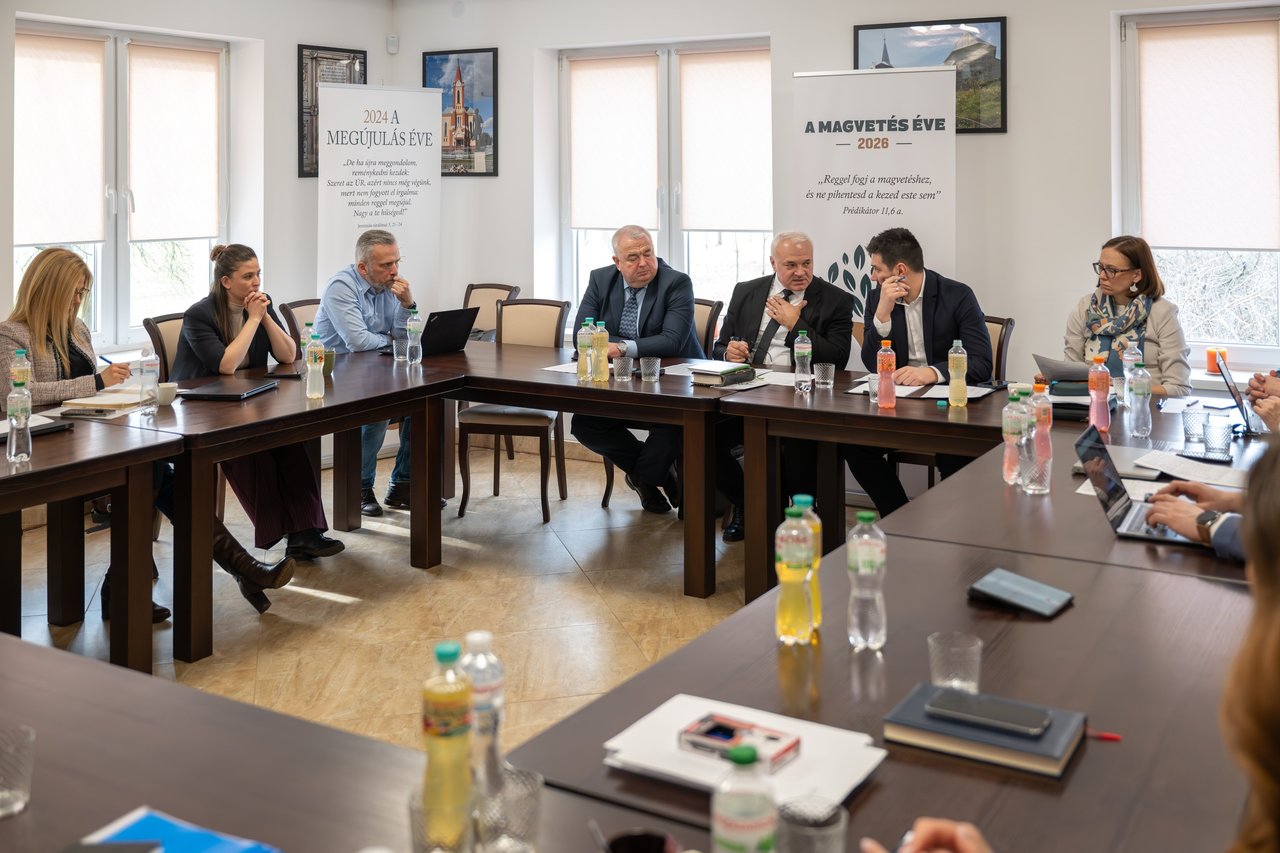
Photo: Balázs Somorjai
The Synod Office held an off-site departmental meeting in Transcarpathia, where the leadership of the Transcarpathian Reformed Church welcomed the guests. At the beginning of the discussion, Sándor Zán Fábián set the story of the Good Samaritan as an example in his devotion. He recalled a thought by the German theologian Dietrich Bonhoeffer in connection with the story, namely that we live in a world of robbers and bystanders rather than of those who stop to help. The bishop of Transcarpathia noted that in war-torn Ukraine this may be even more true: there are robbers and those who have been robbed, such as people living on a pension of 27,000 Hungarian forints, children deprived of life’s opportunities and of their future, and those who have lost family members—“yet we often stand among the bystanders.” He reminded those present that the mission of the Church today is to reduce the number of indifferent onlookers and destroyers, while increasing the number of those who actively help their fellow human beings. “I do not know how much we can change the number of robbers, but we must preach to them as well,” Sándor Zán Fábián added.
The bishop described the delegation’s visit as attention and encouragement that goes beyond solidarity, strengthening the Transcarpathian communities. István Mező, head of the Synod Office, emphasized that previous meetings had also initiated constructive spiritual processes, and that their relationship with brothers and sisters living in difficult circumstances builds up the entire Church.
It was also discussed that on February 24, the Day of Prayer for the Nation, the members of the Transcarpathian Reformed Church will organize joint prayer and fasting. There will be a major commemoration in Kyiv as well, and as president of the Ukrainian Council of Churches, Sándor Zán Fábián, with the help of his colleagues, will do everything possible to ensure that the day truly centres on prayer throughout Ukraine. On that day, every hour a different denomination’s prayer will be broadcast on television for peace and for families torn apart.
Challenges in Education
“There are many areas in which cooperation with the Reformed Church in Hungary is a condition of our survival,” Sándor Zán Fábián pointed out. For example, maintaining educational institutions is becoming increasingly difficult for the Transcarpathian Reformed community. It was suggested that the Carpathian Basin Public Education Fund could be promoted more widely, as in some places it is taken seriously, while in others the initiative has been forgotten. The bishop recalled that the fundraising campaign had previously been advertised with the idea that the price of one ice cream per child per month could be contributed to the fund. The Transcarpathian representatives also reported that consultations have begun on establishing an association of Christian educators in Transcarpathia, because, as the bishop put it, “a school does not become Reformed because the money comes from a Reformed bank account, but because Reformed teachers work in the institution.”
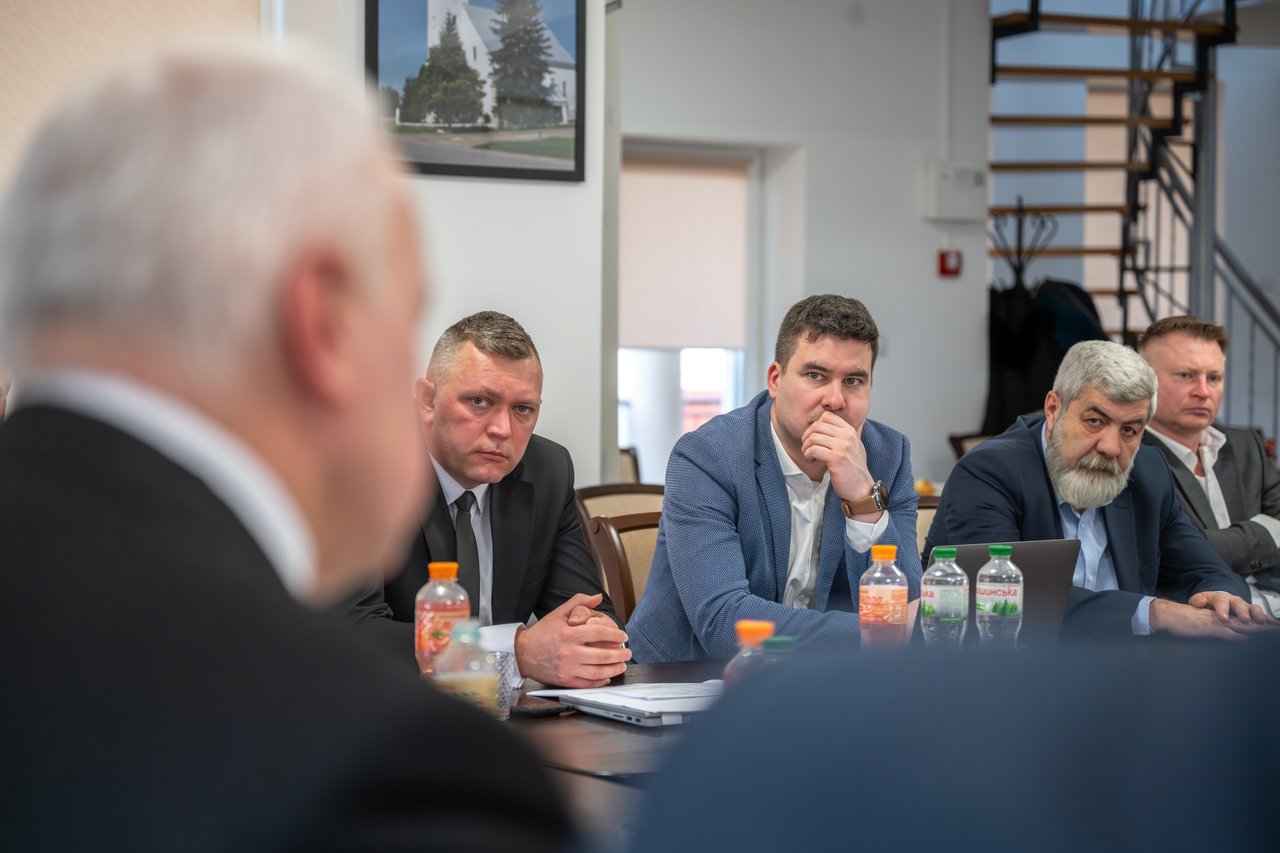
Photo: Balázs Somorjai
István Mező, head of the Synod Office, shared the good news that in Mezőkaszony a building is being adapted to enable the Bárka mission, which works with children, to establish a long-term presence in Transcarpathia.
Exchange Service to Relieve Pastors
The Transcarpathian Reformed community expressed gratitude for the pastors arriving through the exchange service, who have come in turn from all church districts of the Carpathian Basin to take over services from the overburdened Transcarpathian ministers. They explained that today this assistance is no longer primarily needed because pastors cannot travel from one place to another, but rather because it strengthens and encourages the congregations.
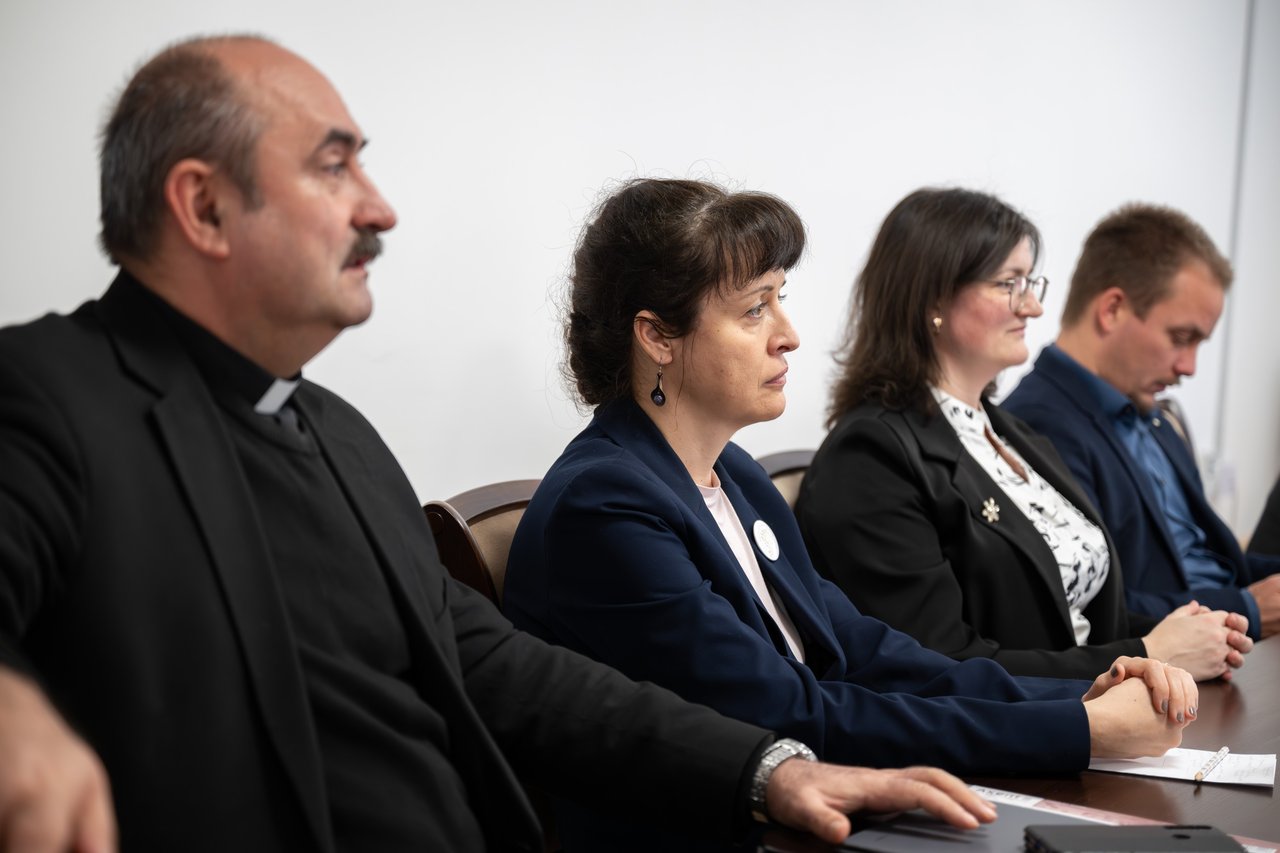
Photo: Balázs Somorjai
Chief Notary János Héder shared that at a pastors’ meeting in the Ung church district, ministers asked that, if possible, the substitute pastors not come only for a few days, but even for one or two weeks. An idea was also raised at the Berehove meeting that theology students could come on deputation, or that young retirees might be invited to take part in this service.
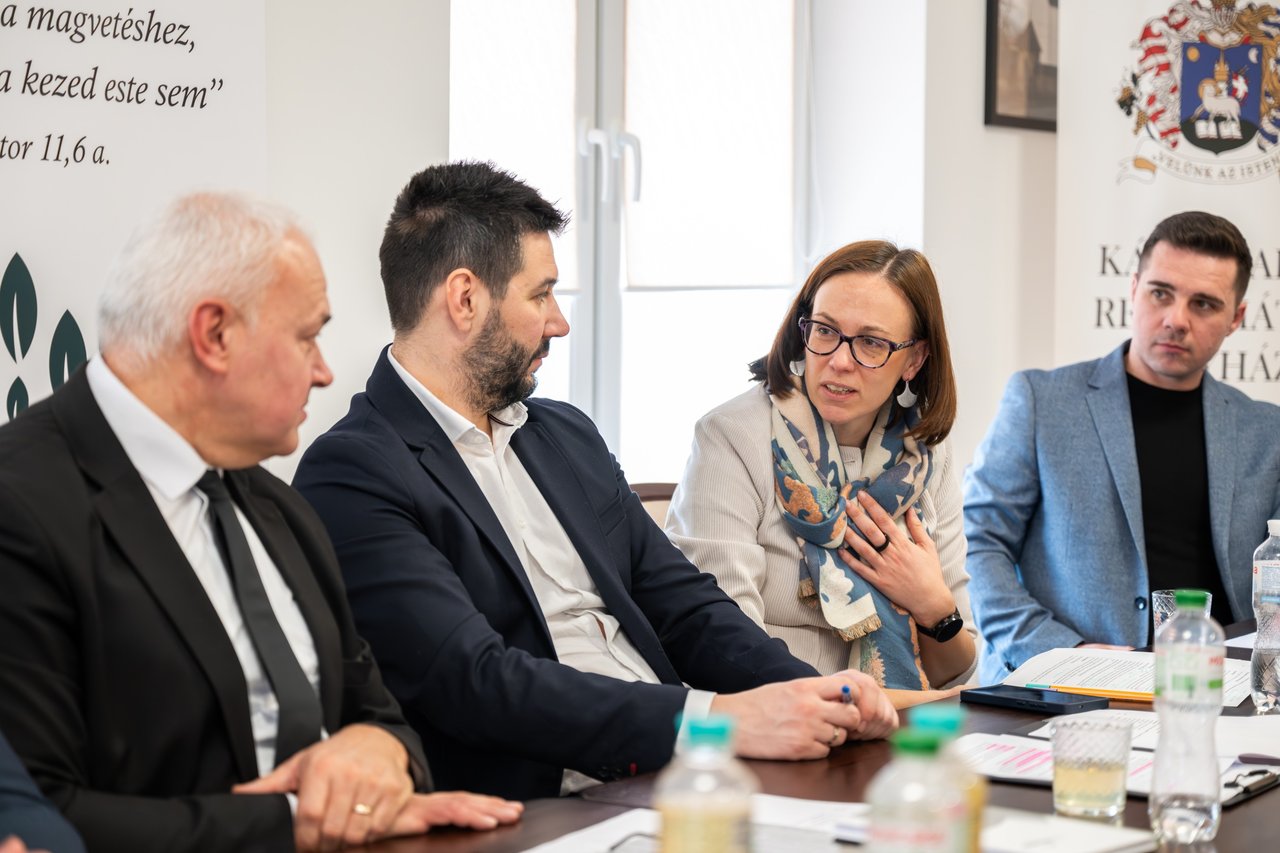
Photo: Balázs Somorjai
It is also a great help to the overburdened pastors in Transcarpathia that the Gyökössy Institute organizes personal and group sessions for them. The Transcarpathian Reformed community must also face a worsening shortage of ministers, as the replacement of retiring pastors has not yet been resolved. Previously, a scholarship was maintained for Transcarpathian theology students who committed to returning home after completing their studies, but there are currently no adequate financial resources for this, and a solution needs to be found. The situation is further aggravated by the fact that fewer and fewer families are able to financially support their children’s studies in Hungary.
Youth and Women’s Association Conference
Many young people from Transcarpathia have left, but there is still youth mission work in the region, and there are still young people to serve: last year the Transcarpathian Reformed community was able to organize a youth event attended by 350 participants. István Mező added that the Reformed Church in Hungary are also attentive to Transcarpathian youth: at the Csillagpont festival, for example, nearly two hundred young people from Transcarpathia participated, and there was even a separate Transcarpathian tent.
Júlia Berecz, head of the Foreign Affairs Department of the Synod Office, reported that they will once again attend a women’s association meeting in Lebanon, where Transcarpathian women will also join them. They will meet Christian women from the Middle East, who in previous years reported that because of the war many men are taken into military service, placing far greater responsibilities and burdens on women.
The Transcarpathian Reformed representatives also shared that, building on this year’s thematic focus on sowing seeds within their church, next year will be dedicated to growth, and 2028 will be the year of bearing fruit.
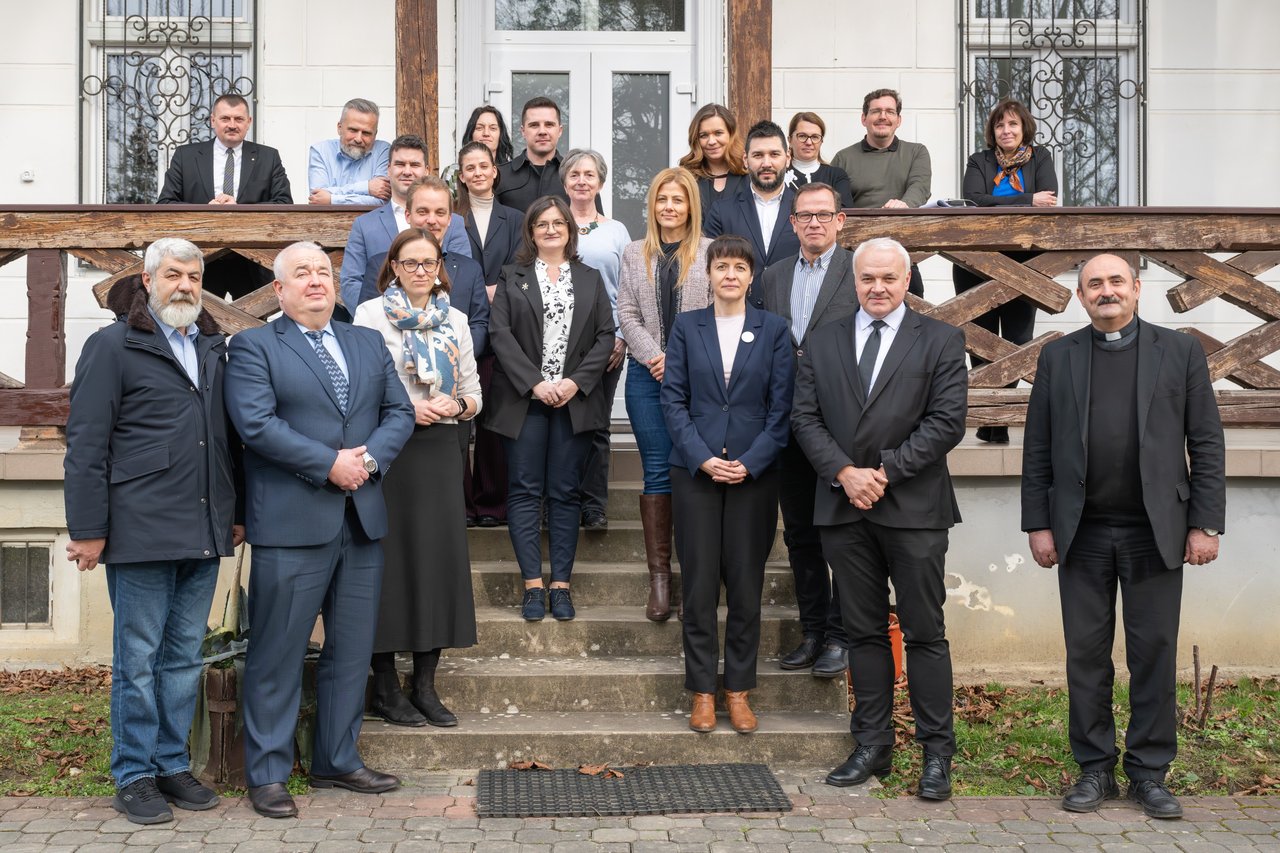
Photo: Balázs Somorjai
The meeting between the delegation of the Synod Office and the leadership of the Transcarpathian Reformed Church concluded with the intention of further strengthening fraternal relations. The parties pledged to continue supporting one another and praying for each other until their next visit.