The Presbyterian Church in Ireland (PCI) held its annual General Assembly in Belfast from 9–12 June, where delegates discussed the challenges, responsibilities and mission of the largest Protestant denomination on the island of Ireland. Alongside representatives of churches from Ireland and the United Kingdom, several international partner churches and ecumenical organisations were also present, including the Reformed Church in Hungary.
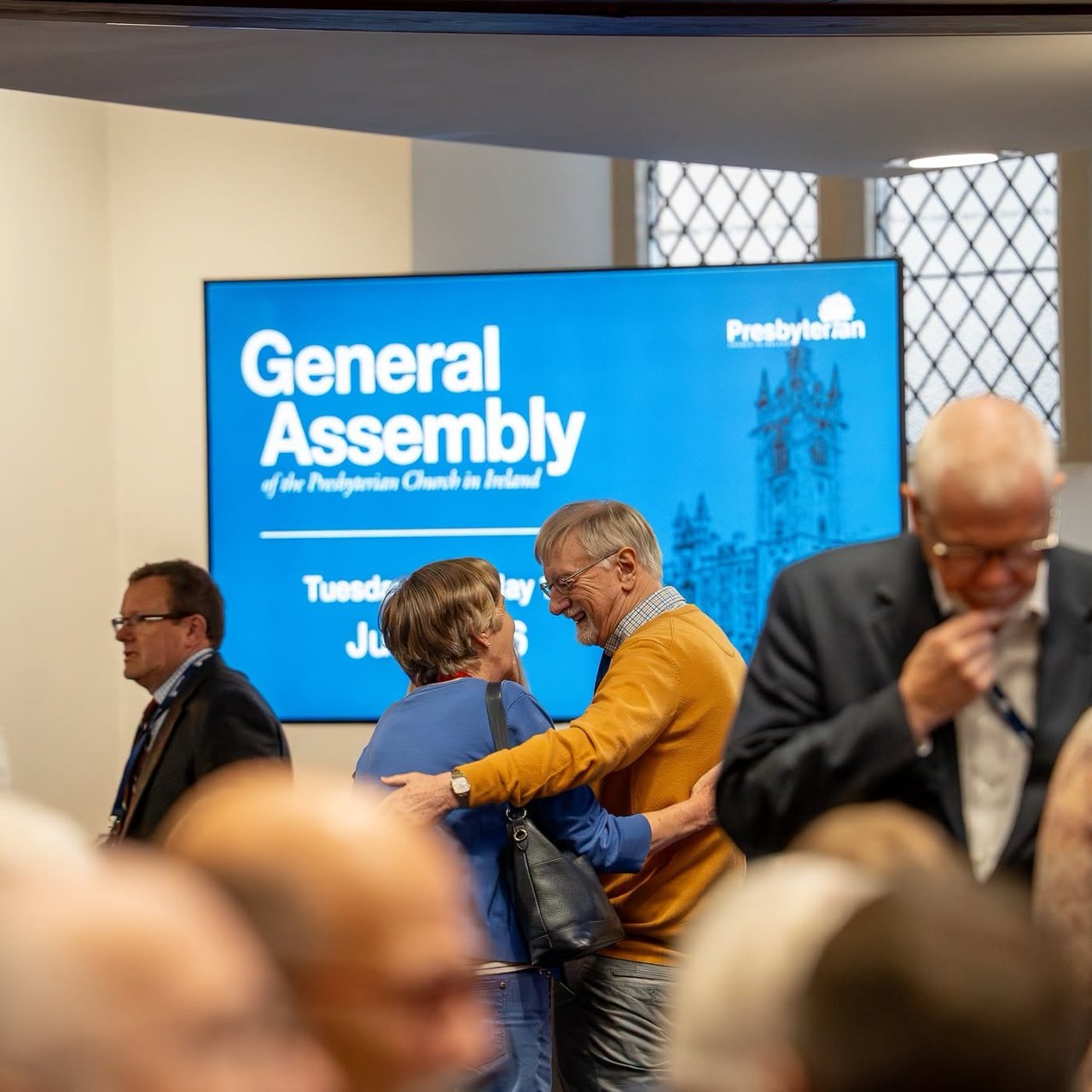
Photo: Facebook / Presbyterian Church in Ireland
The roots of the Presbyterian Church in Ireland reach back to the Scottish Reformation. Protestantism first arrived on the island with Scottish settlers in the seventeenth century, and in 1840 the Presbyterian Church in Ireland was established as an independent church. Today it remains the largest Protestant denomination on the island, comprising nearly 500 congregations with approximately 200,000 members. While the vast majority of its congregations are located in Northern Ireland, the Church also maintains a smaller but significant presence in the Republic of Ireland.
The political and social tensions of Northern Ireland may be relatively unfamiliar to many in Hungary. While Ireland gained independence in 1922 and formally severed its remaining constitutional ties with the British Empire in 1949, Northern Ireland, with its traditionally Protestant majority, remained part of the United Kingdom. As a consequence of this division, the Northern Ireland conflict—commonly known as the Troubles—which lasted from the late 1960s until the signing of the Good Friday Agreement in 1998, acquired a strong religious dimension. Protestant and Catholic Christian families and communities became directly involved in the violence, the effects of which are still felt today. National churches, local congregations and individual believers have travelled a long road towards reconciliation, and the Presbyterian Church in Ireland has been an active participant in this process. Like many churches across Europe, however, it now serves in an increasingly secularised society that is moving further away from the Christian faith and is often openly sceptical towards it.
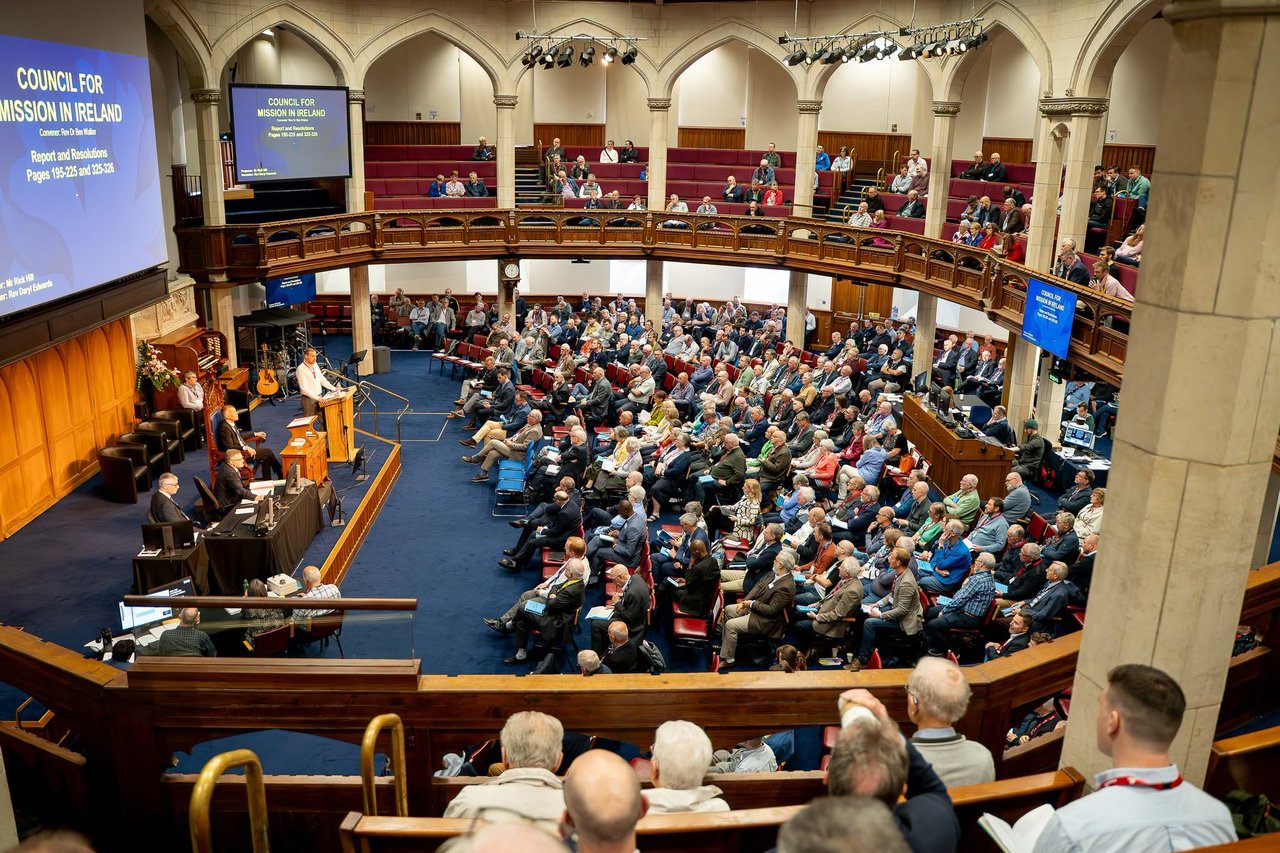
Photo: Facebook / Presbyterian Church in Ireland
Last year, the Church's public reputation was further damaged by a major safeguarding scandal. It emerged that safeguarding procedures intended to protect vulnerable people—including children, young people and vulnerable adults—had repeatedly not been properly followed, and that in several cases abuses of power within the Church had not been adequately addressed. Following the launch of an official statutory inquiry, the Church's Clerk of the General Assembly resigned with immediate effect. The Church as a whole subsequently embarked on a difficult and often painful process of repentance, self-examination and renewal through two extraordinary meetings of the General Assembly.
This process, described by Richard Murray—who resumed the office of Moderator on an interim basis last December—as an "ecclesiastical earthquake", initiated a comprehensive review of both the central structures of the Church and its local congregations. The atmosphere created by this process shaped the June 2026 General Assembly. Almost every committee report placed safeguarding at the centre of its recommendations, and a new central department was established to ensure the effective implementation and oversight of safeguarding policies throughout the Church.
Both the outgoing Moderator, Richard Murray, and his successor, Richard Kerr, who began his term of office during the Assembly, together with Assembly members and senior Church officials, emphasised the necessity of repentance and renewal. They stressed that genuine renewal ordained by God requires the Church to die to outdated structures and to turn away from practices that no longer reflect the Gospel. At the same time, they acknowledged that alongside sincere repentance, rebuilding public trust in the Church remains one of its most urgent responsibilities.
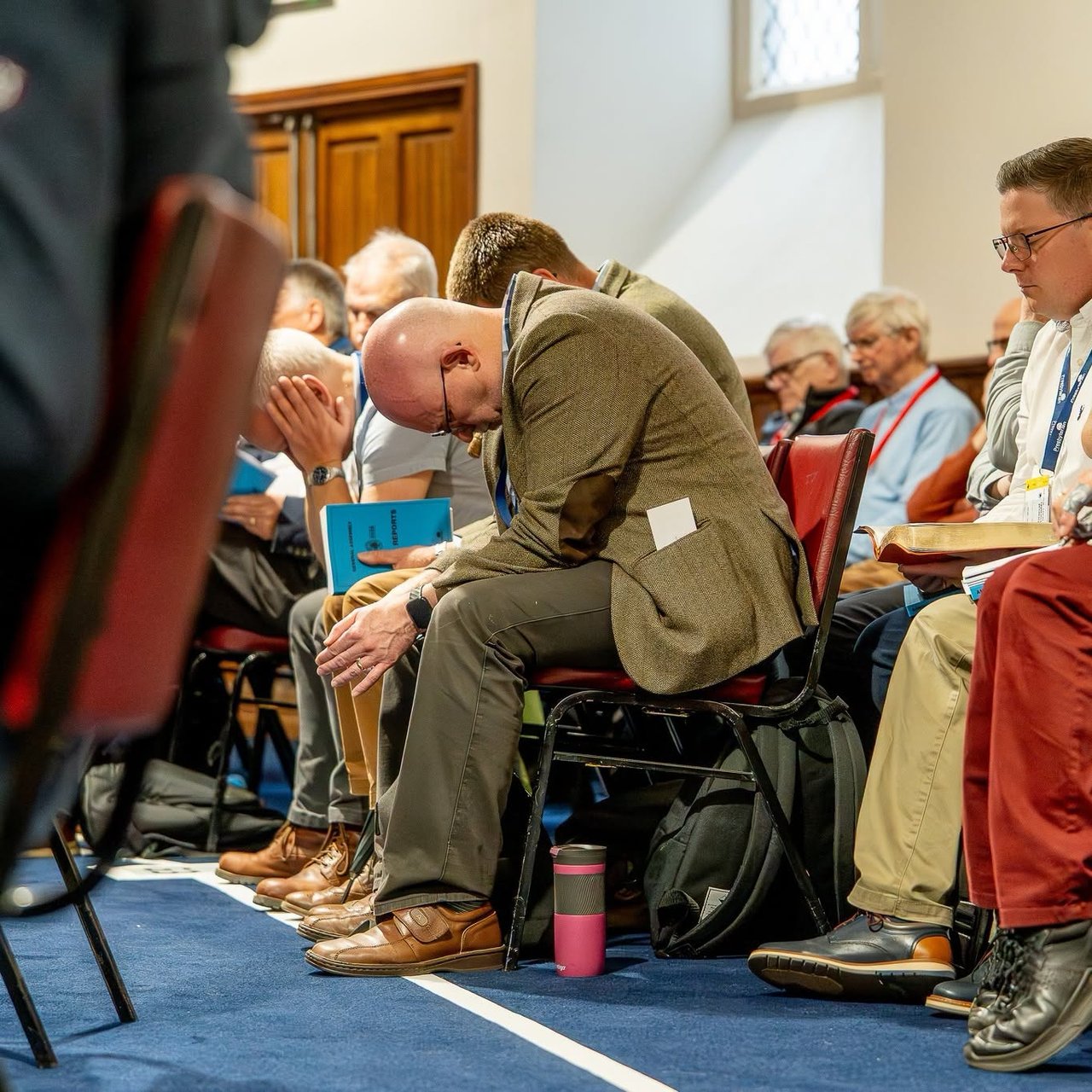
Photo: Facebook / Presbyterian Church in Ireland
These developments come at a time when the Church faces many additional challenges. Even in the comparatively more conservative society of Northern Ireland, church membership continues to decline, as does the number of people entering ordained ministry or responding to a calling to overseas mission. These trends raise fundamental questions while also opening new opportunities for a church that has long regarded mission—and particularly global mission—as central to its identity. The June General Assembly offered both thorough discussion and remarkable transparency, allowing the wider public to gain insight into these important conversations.
The significance of international mission and ecumenical partnership was reflected in the presence of representatives not only from churches across Ireland and the United Kingdom but also from six overseas churches and Christian organisations—from Lebanon, Syria, Kenya, Malawi, Spain and, through the Reformed Church in Hungary, Hungary. International guests were invited to share about the situation in their own churches and countries, learn more about the ministry of the Presbyterian Church in Ireland, express gratitude for longstanding partnerships and explore opportunities for future cooperation.
The Reformed Church in Hungary was represented by Júlia Berecz, Head of the Ecumenical Office of the Synod Office. Greeting the Assembly on behalf of the Hungarian Reformed Church and its European partner churches, she reminded participants of the hidden yet transformative power of the Kingdom of Heaven revealed in Jesus' parables of the mustard seed and the yeast.
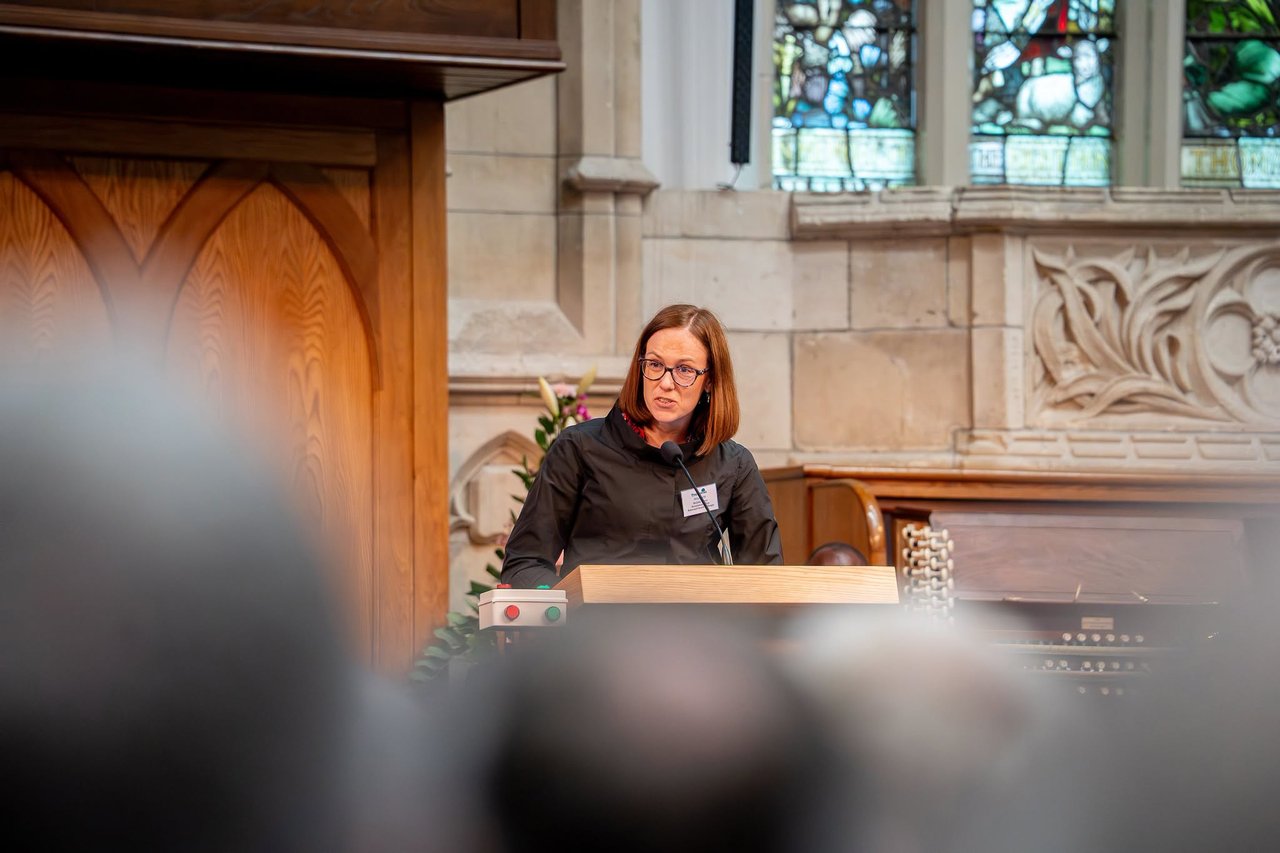
Júlia Berecz, Head of the Ecumenical Office of the Synod Office, addressing the General Assembly of the Presbyterian Church in Ireland Photo: Facebook / Presbyterian Church in Ireland
Cooperation between the Hungarian and Irish churches goes back many years. We remain deeply grateful for the generous support that Hungarian Reformed communities—both in Hungary and throughout the Carpathian Basin—have received from our Irish Presbyterian brothers and sisters. We look to the future with hope, convinced that our churches can become a genuine blessing to their own communities and societies only as they themselves are rooted ever more deeply in the reality of the Kingdom of Heaven, as revealed in the parables of the mustard seed and the yeast. Our foremost calling is to be firmly grounded in that Kingdom and to trust that the seemingly insignificant mustard seed and the hidden yeast possess a real, life-giving power—the only power capable of bringing renewal to our churches and to the many troubled societies of Europe. It is encouraging to know that we do not undertake this calling alone. We can rely on one another and uphold one another in prayer.
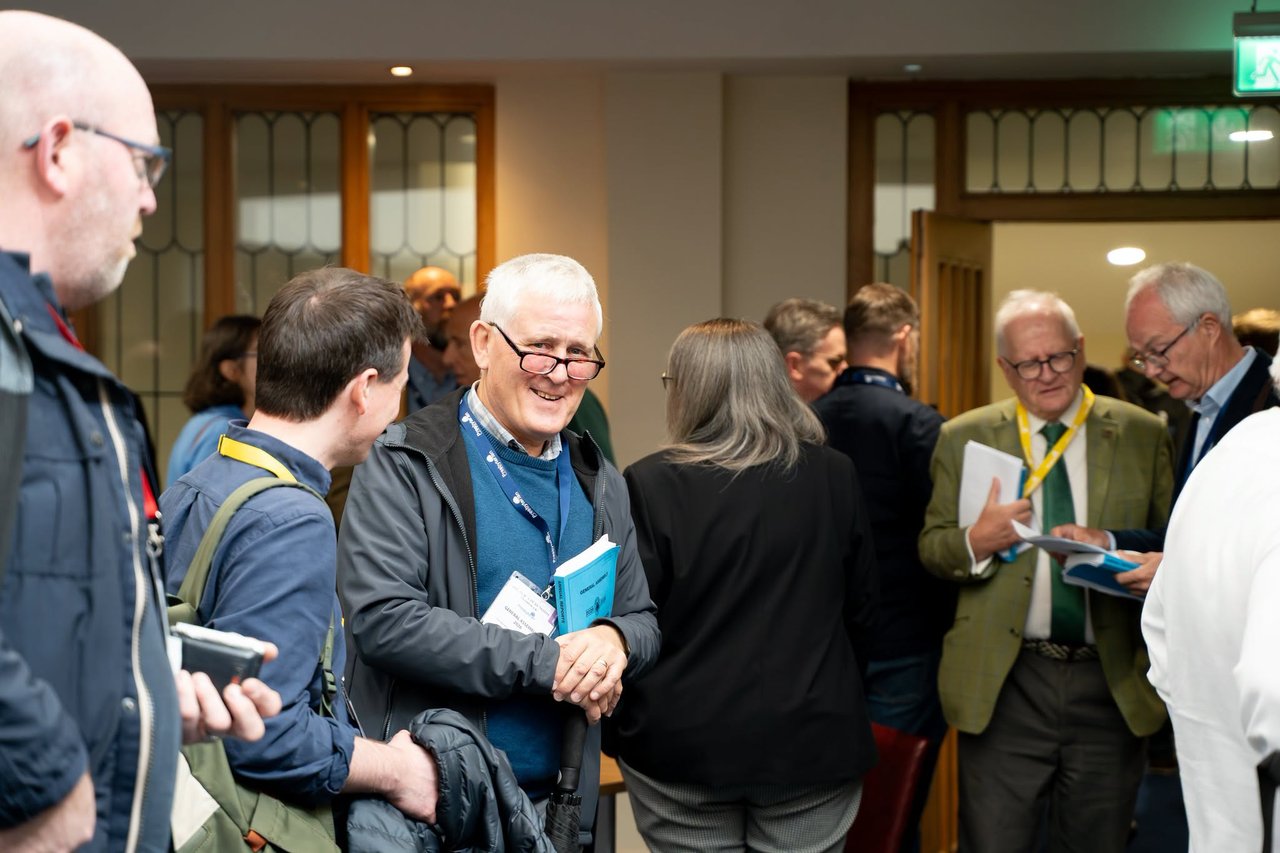
Photo: Facebook / Presbyterian Church in Ireland
Following our visit to Belfast, and during this Year of Prayer, we invite our Reformed brothers and sisters to join us in praying for Northern Ireland. The country's continuing internal tensions have been illustrated by the recent stabbing attack and the demonstrations that followed, events that have also received coverage in the Hungarian media. Let us pray for the Presbyterian Church in Ireland, that it may faithfully proclaim the Gospel and serve as an instrument of peace. And let us pray that the life-giving and transformative power of the Kingdom of Heaven may strengthen both our Irish brothers and sisters and our own Hungarian Reformed community.